Getting Started in Sephiria
Learn the Bunnyville loop, pick a weapon branch, and turn every run into Sapphire progress toward 1.0 endgame.
What Sephiria is
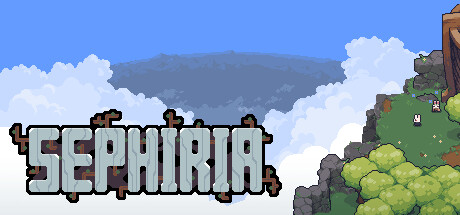
Sephiria is a top-down action roguelite from TEAM HORAY — the developers behind Dungreed — published on Steam (app 2436940). You play a bunny adventurer from Bunnyville, diving into procedural combat rooms across six chapters with pixel-art clarity and demanding telegraph-based fights. The game entered Early Access on 2025-04-03 and reached full 1.0 on 2026-07-31, expanding systems like Side Bag storage, Miracles, Potions, and a deeper artifact catalog (~300 artifacts, ~70 tablets).
Runs are individual attempts: you enter through the dungeon door (or the Mysterious Door for online co-op), fight through rooms, collect gear, and either clear the chapter boss or die and return to town. Death is normal. Power accumulates through Destiny Inscription (permanent Sapphire nodes), talents unlocked after Ken’s Home Repair quest, weapon branch mastery, and the inventory grid builds you discover over time.
Your first hour in Bunnyville
Bunnyville is the persistent hub between runs. Before chasing chapter six, spend your first hour learning where vendors, inscription altars, and quest givers sit so you never lose momentum after a wipe.
Talk to Ken and start Home Repair. Ken’s quest line gates core talents — passive bonuses that smooth early runs. Repairing his house is not optional fluff; it is the structured tutorial for power that inscription alone cannot replace. Finish at least the opening steps before you judge whether Sephiria feels “too hard.” Full unlock steps — two wood from the southwest forest, a hammer, entering Ken’s house — live on the Talents guide.
Pick a costume before your first serious run. Costumes shift starting stats — evasion versus crit, attack speed versus dash recovery — before artifacts land. See Costumes for Brown Rabbit and Braided Hair Rabbit tradeoffs and community-reported unlock goals.
Plan Side Bag once inscription allows. After 1.0, purchase the Side Bag node on Destiny Inscription so spare artifacts bank off-grid for boss swaps — details on the Side Bag guide.
Inspect Destiny Inscription. Even if you cannot afford many nodes yet, open the board and read node categories. Sapphires drip in from achievements, milestones, and run performance. The Destiny Inscription guide explains priority purchases; the Destiny Checklist tool helps track what you have left.
Enter a normal solo run. Use the standard dungeon entrance first so you learn room pacing without co-op chaos. Pick up artifacts, note how Q/E preview shows adjacent tablet slots on your grid, and practice reading red laser telegraphs — the universal warning for attacks you should dodge or parry with RMB. Full input details live on the Controls guide.
Choosing your first weapon branch
Sephiria ships six weapon branches with 200+ upgrades across paths:
- Sword & Shield — balanced defense and forgiving blocks.
- Greatsword — slower swings, high payoff on staggered enemies.
- Dagger — mobility and rapid hits for players who dodge aggressively.
- Katana / Blade — precision timing and combo extensions.
- Crossbow — ranged positioning and kiting.
- Staff / Magic — spell patterns and area control.
You are not locked forever, but inscription and habit investment make switching costly early. New players who want structure often start Sword & Shield or Greatsword to learn telegraphs; players confident in Controls frequently prefer Dagger or Katana. Read Weapon Types for branch identities and the Tier List for 1.0 balance context — not to discourage experimentation, but to set expectations before you sink Sapphires into a branch-specific inscription line.
Understanding a standard run loop
A typical successful run follows this rhythm:
- Prepare in town — spend Sapphires if a node unlocks, slot talents from Ken, optionally grab Potions or Side Bag utilities from Miracles & Potions.
- Clear room chains — prioritize artifact drops that fit your grid plan; see Artifacts for rarity behavior.
- Manage the inventory grid — artifacts occupy cells; tablets grant bonuses when placed adjacent to matching pieces. Bad grid placement is a silent run killer; study Inventory Grid and Tablet Combinations early.
- Fight the chapter boss — learn phase telegraphs; chapter six culminates in the final boss encounter documented separately.
- Return and reinvest — even failed runs yield currency, unlocks, or knowledge. Bank progress instead of forcing depth when Potions are low or your build lacks synergy.
Items you will see immediately
Artifacts are run-based equipment with grid footprints and passive or triggered effects — the core of every build. Tablets modify adjacent artifacts and enable combo lines you preview with Q/E. Miracles are powerful actives with cooldown discipline; Potions are consumable safety nets. The Side Bag in 1.0 adds flexible storage for long runs. None of these replace inscription, but they define whether a midgame spike actually clears the next boss.
When to push versus reset
Roguelites punish greed. Reset a run when:
- Your grid has dead cells — artifacts with no tablet support and no path to fix them.
- You burned Potions on avoidable damage because you misread telegraphs.
- You are under-inscribed for the chapter’s damage checks and learning patterns is slower than restarting with a cleaner drop path.
Push when:
- You have a coherent synergy (for example, a crossbow crit line or staff burn spread) documented in spirit by Companion Build examples.
- You are practicing a specific boss pattern for Hard Mode later.
Multiplayer and endgame pointers
Once solo loops feel fair, invite up to three friends via Steam through the Mysterious Door. Co-op does not migrate hosts — plan sessions accordingly on the Co-op guide. After clearing normal chapters, Hard Mode adds elemental modifiers; treat it as a graduation exam, not your second run.
Related pages to open next
- Controls & Combat — master RMB defense and telegraph colors.
- Talents — Ken quest unlock and early point priorities.
- Costumes — starting stat packages before artifacts.
- Side Bag — 1.0 storage and boss prep swaps.
- Inventory Grid — stop losing runs to bad placement.
- Destiny Inscription — spend Sapphires with intent.
- Version 1.0 Notes — see what changed at launch.
- Review — broader look at strengths and rough edges.
Sephiria’s loop is learn, die, reinvest, return sharper. Your first ten runs teach timing; the next ten teach grid craft; the ten after that teach inscription pacing. Start small in Bunnyville, respect telegraphs, and let every failure fund the Sapphire node that makes the next attempt feel fair.
Frequently Asked Questions
Quick answers to the most common questions.
What should I do first in Bunnyville?
Talk to Ken and progress Home Repair to unlock talents, then open Destiny Inscription so you understand Sapphire spending. Enter a solo run only after you know where town services are.
Which weapon is best for beginners in Sephiria?
Sword & Shield and Greatsword teach telegraph pacing with safer defense. Dagger and Katana work if you already plan to master RMB dodge/parry from the Controls guide.
Does dying mean I wasted my run?
No. You still earn Sapphires, unlock knowledge, and sometimes currency toward town upgrades. Failed runs fund inscription that makes the next attempt stronger.
When should I try co-op or Hard Mode?
Try co-op once solo telegraphs feel readable. Attempt Hard Mode after you clear normal chapters and have a stable artifact grid — elemental modifiers punish weak builds.
Are there redeem codes in Sephiria?
No. Sephiria is a Steam title without promotional code redemption. Progression is run-based plus Destiny Inscription and talents.